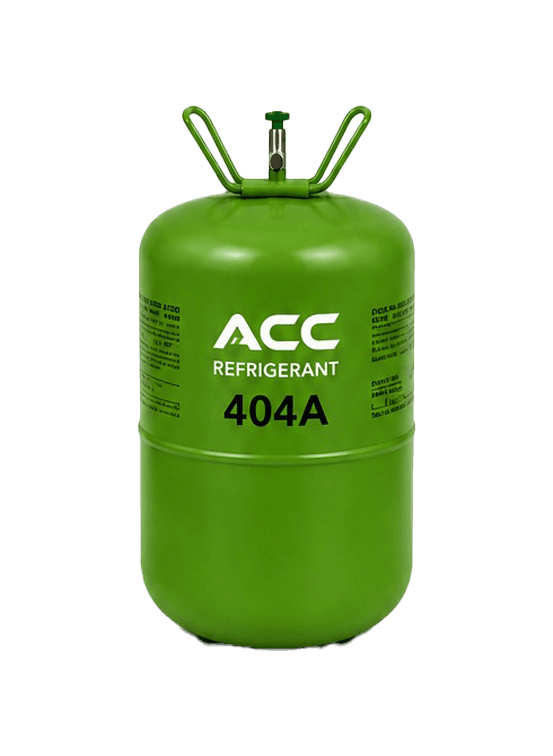
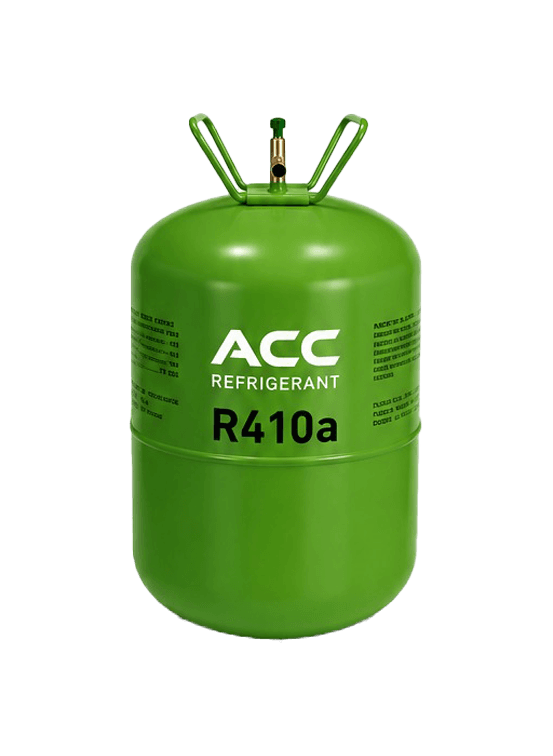
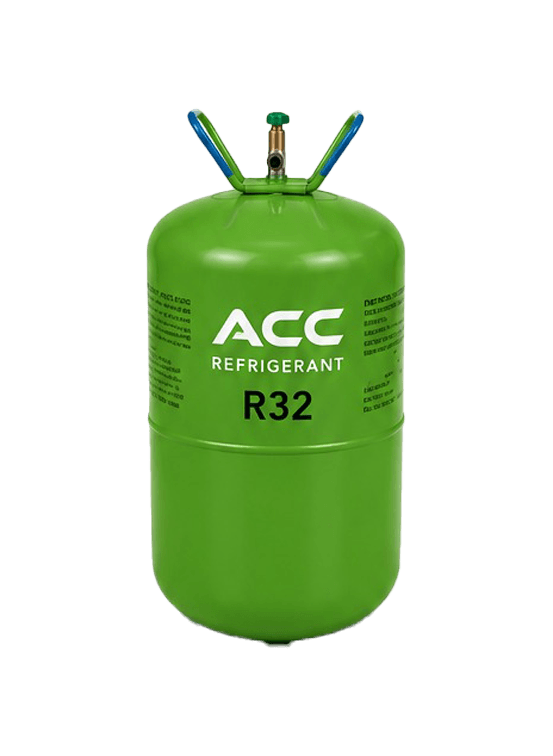
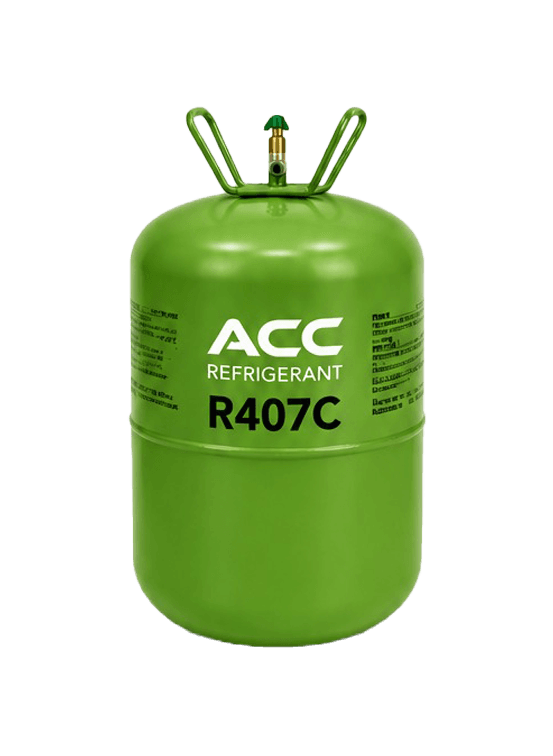
ACC Refrigerant is supplied by ACC İklimlendirme to companies in the refrigeration and air-conditioning trade: refrigerants, cooling equipment and technical products. We work with installers, service teams, wholesalers and project teams.
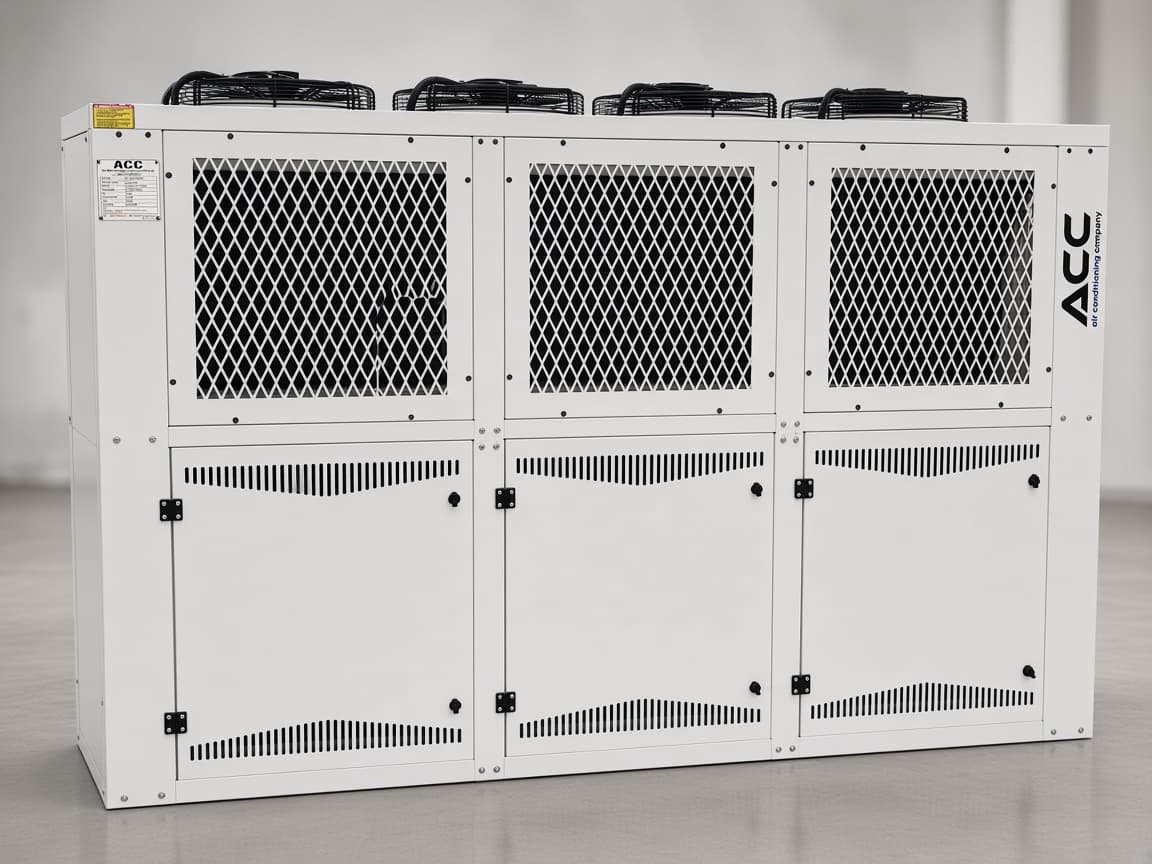
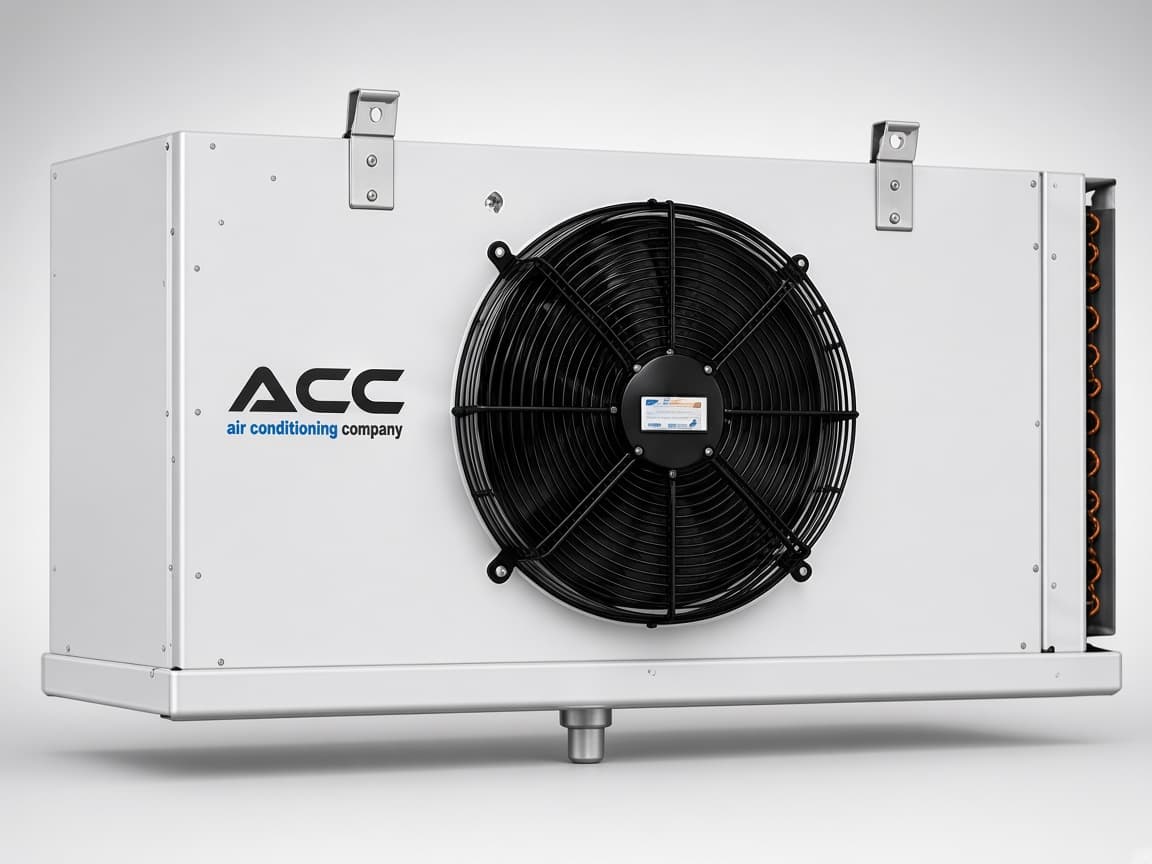
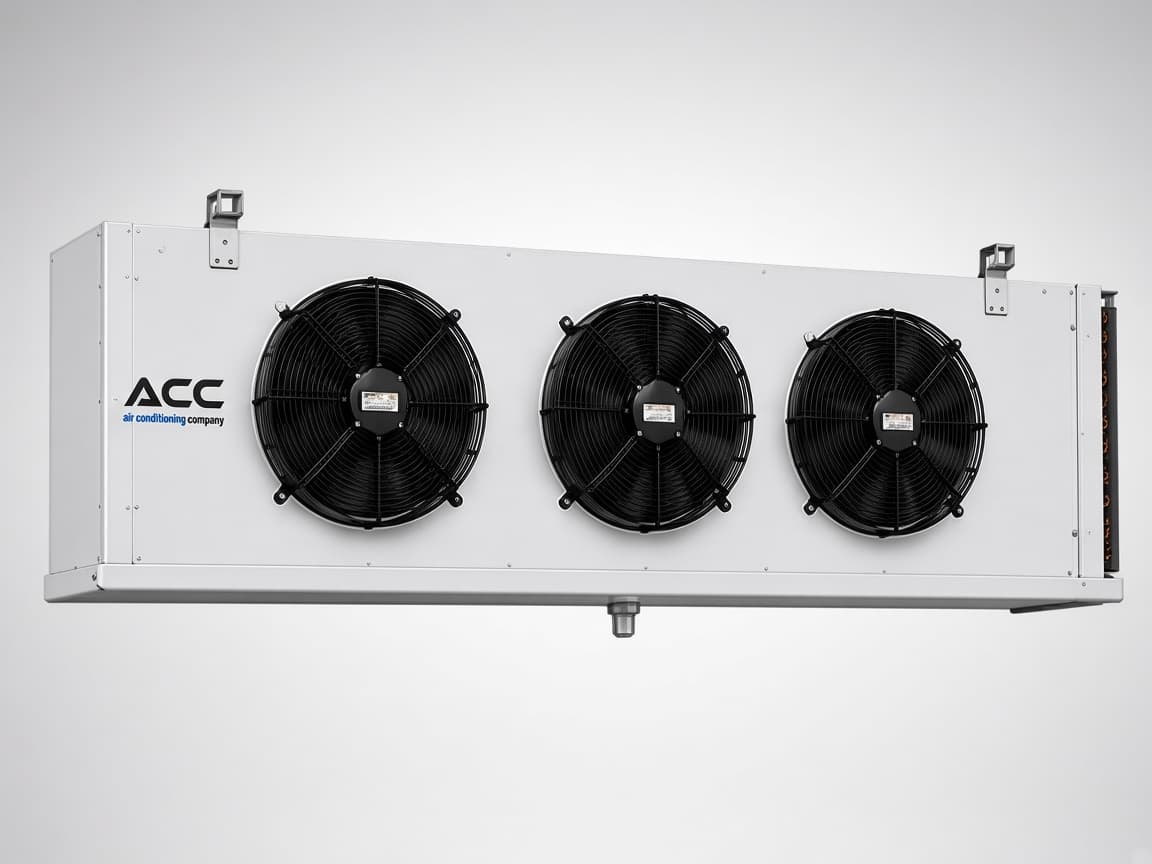
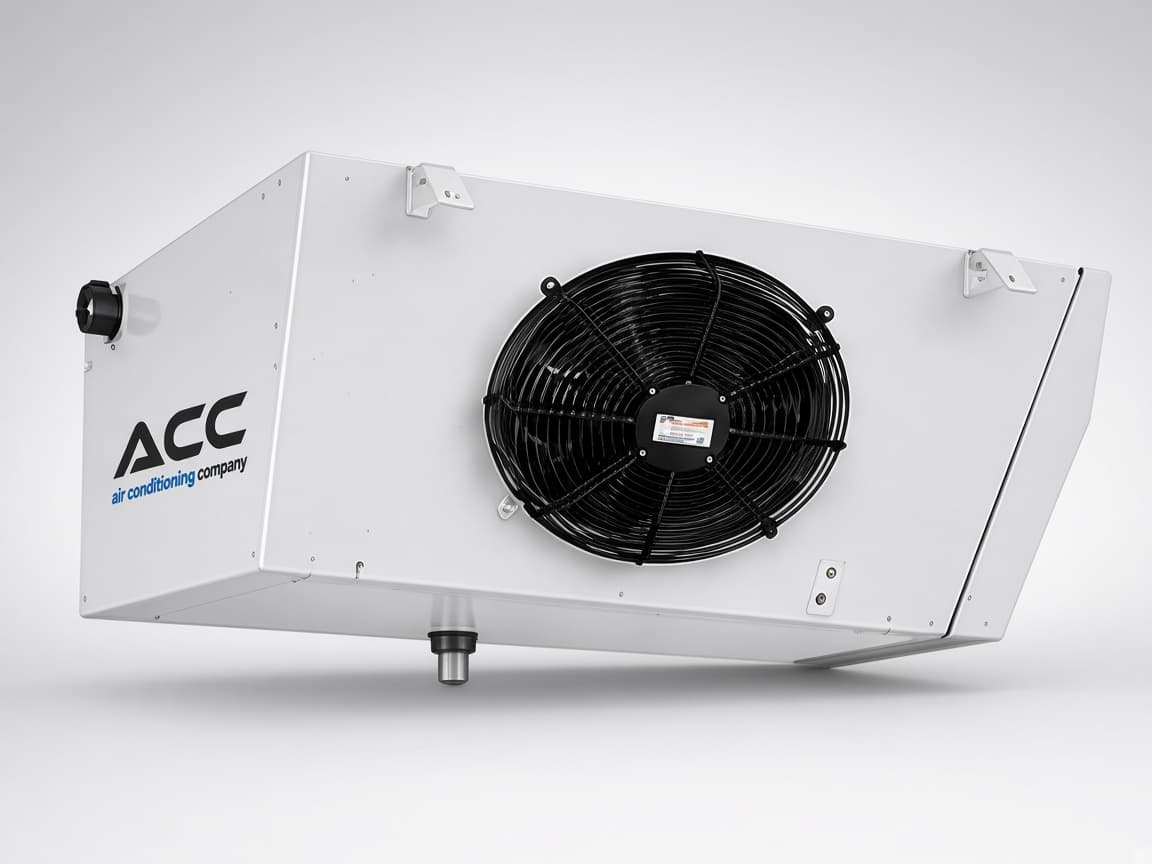
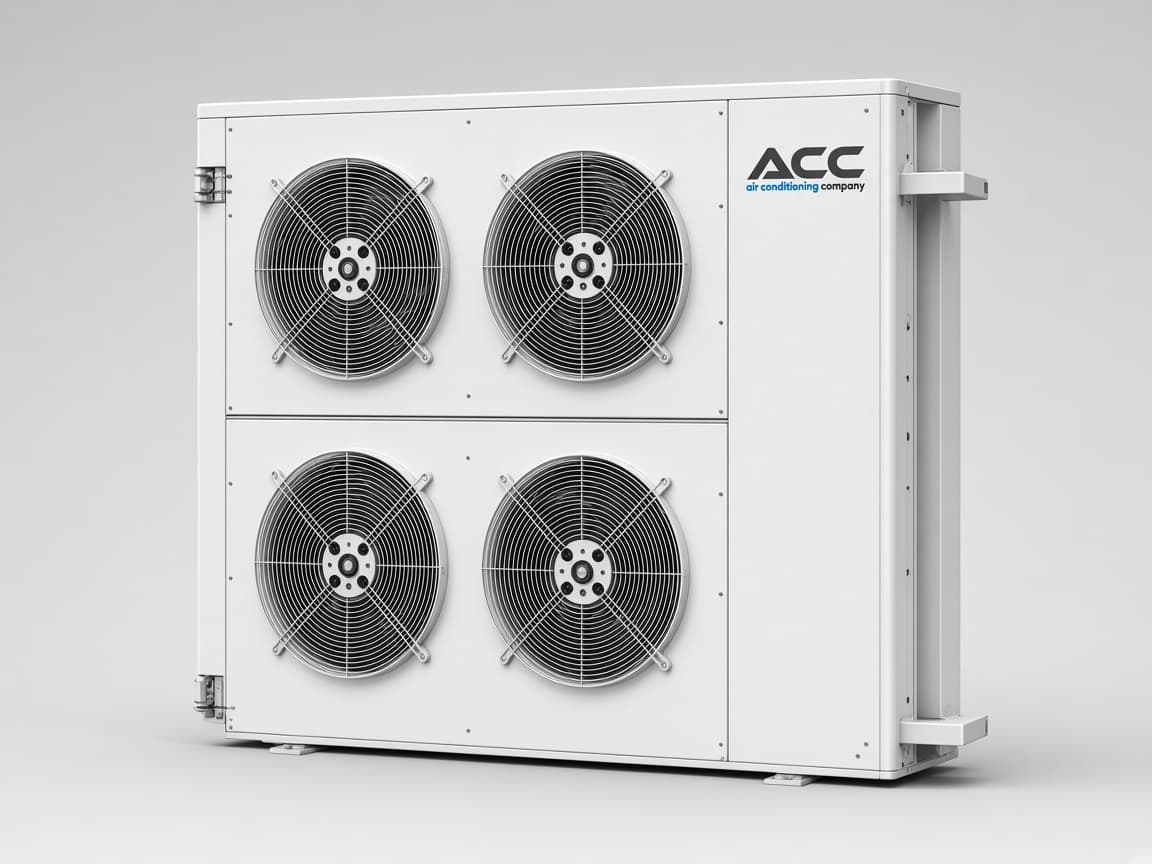
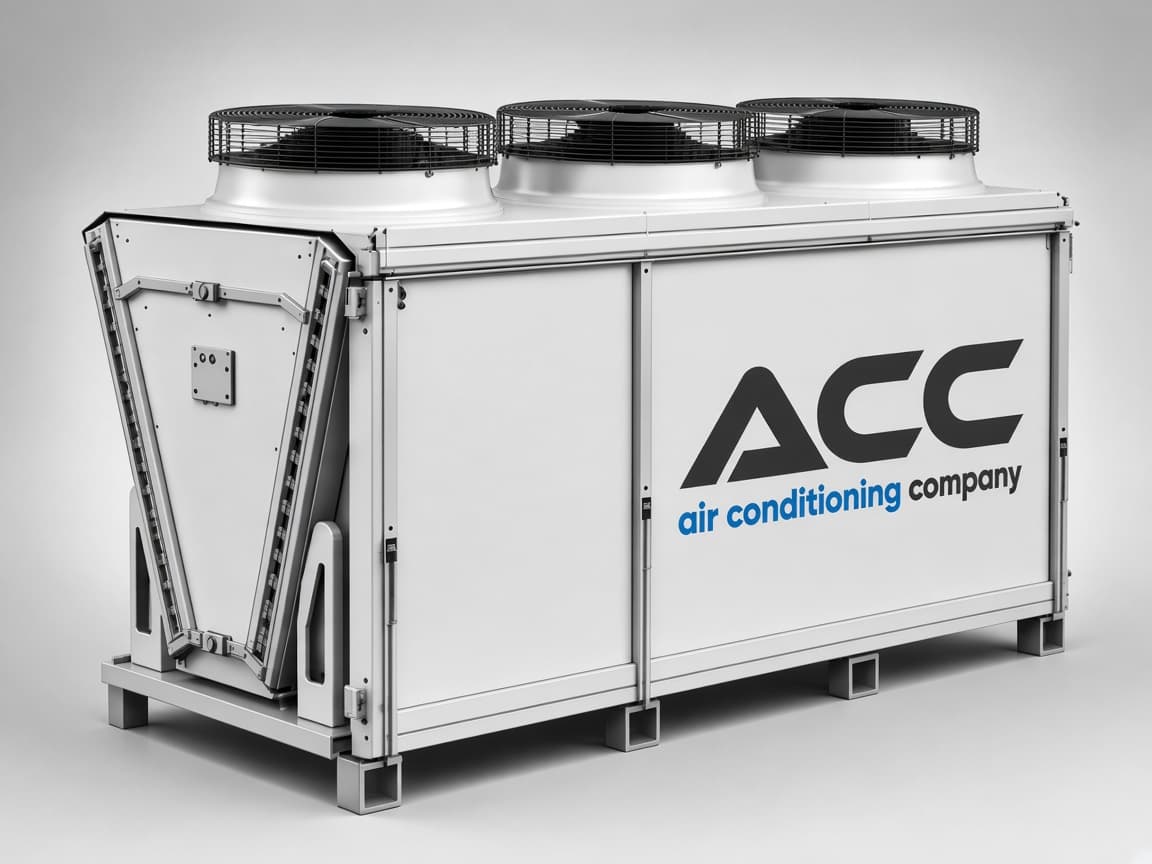
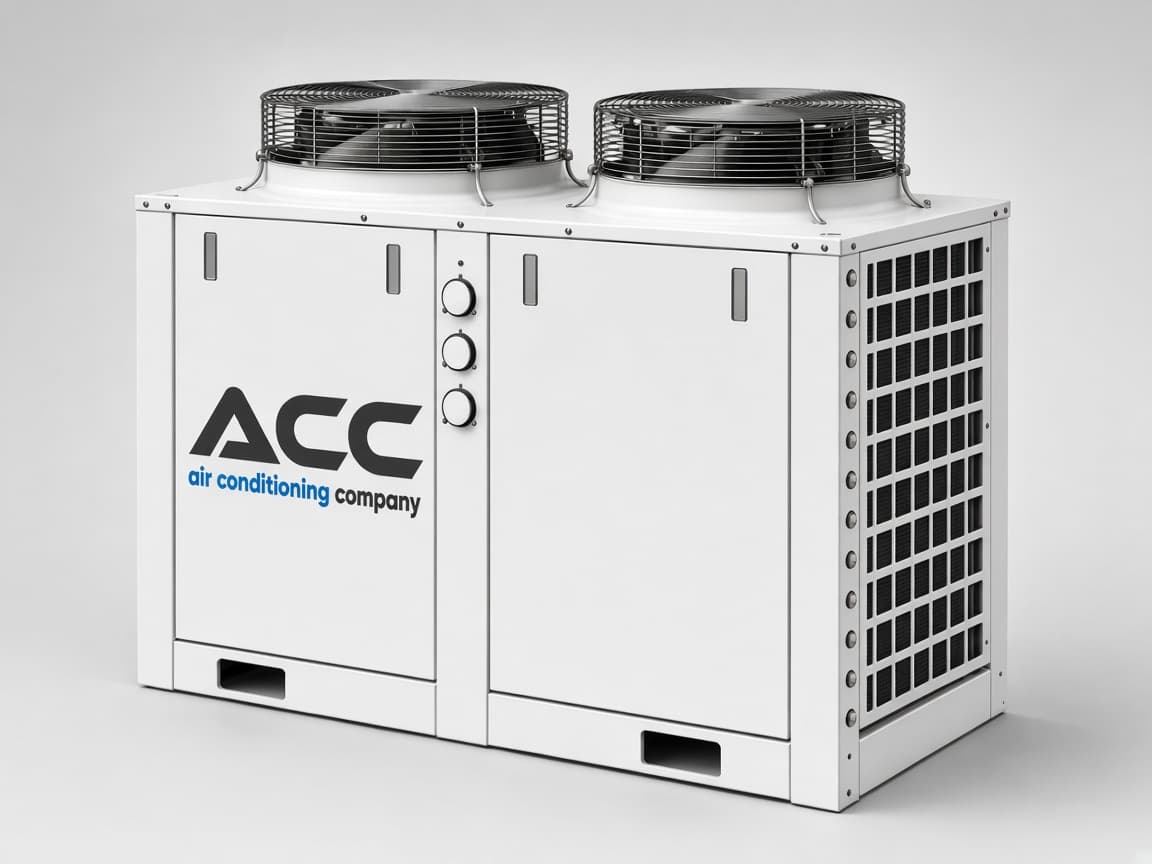
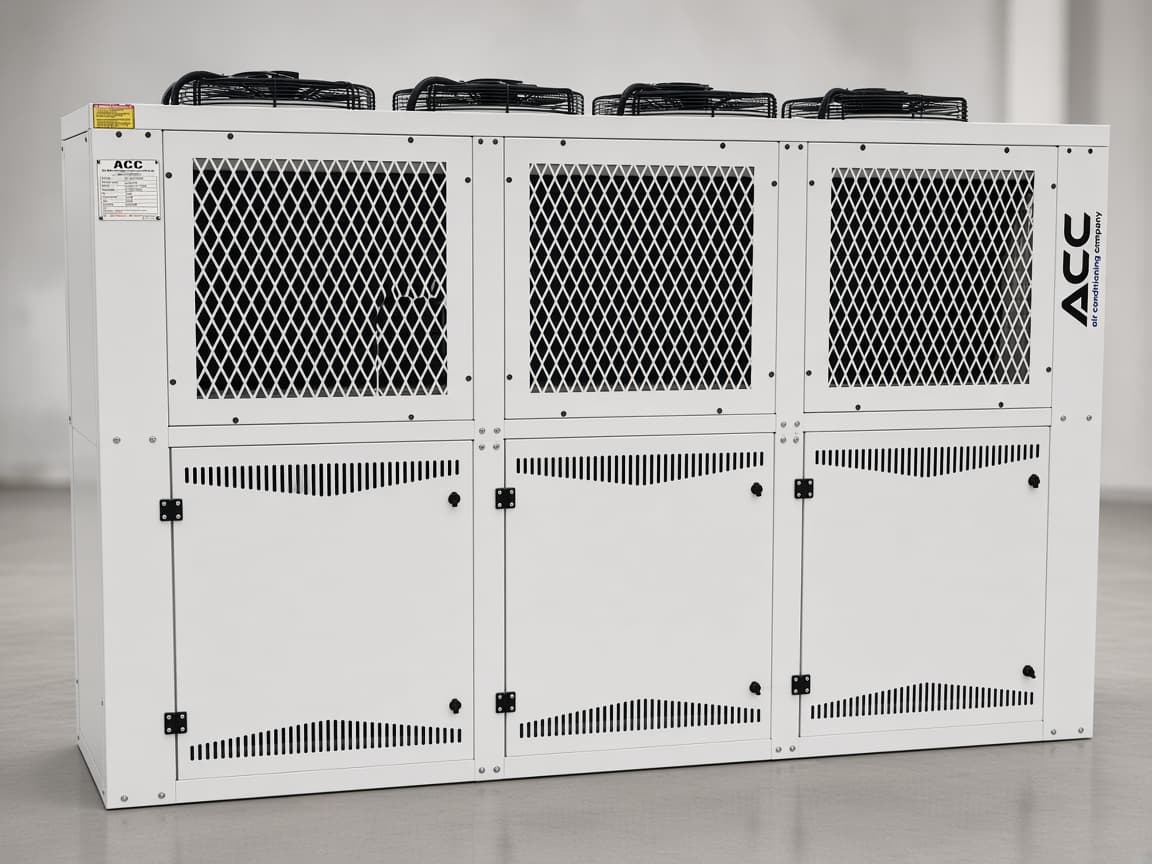
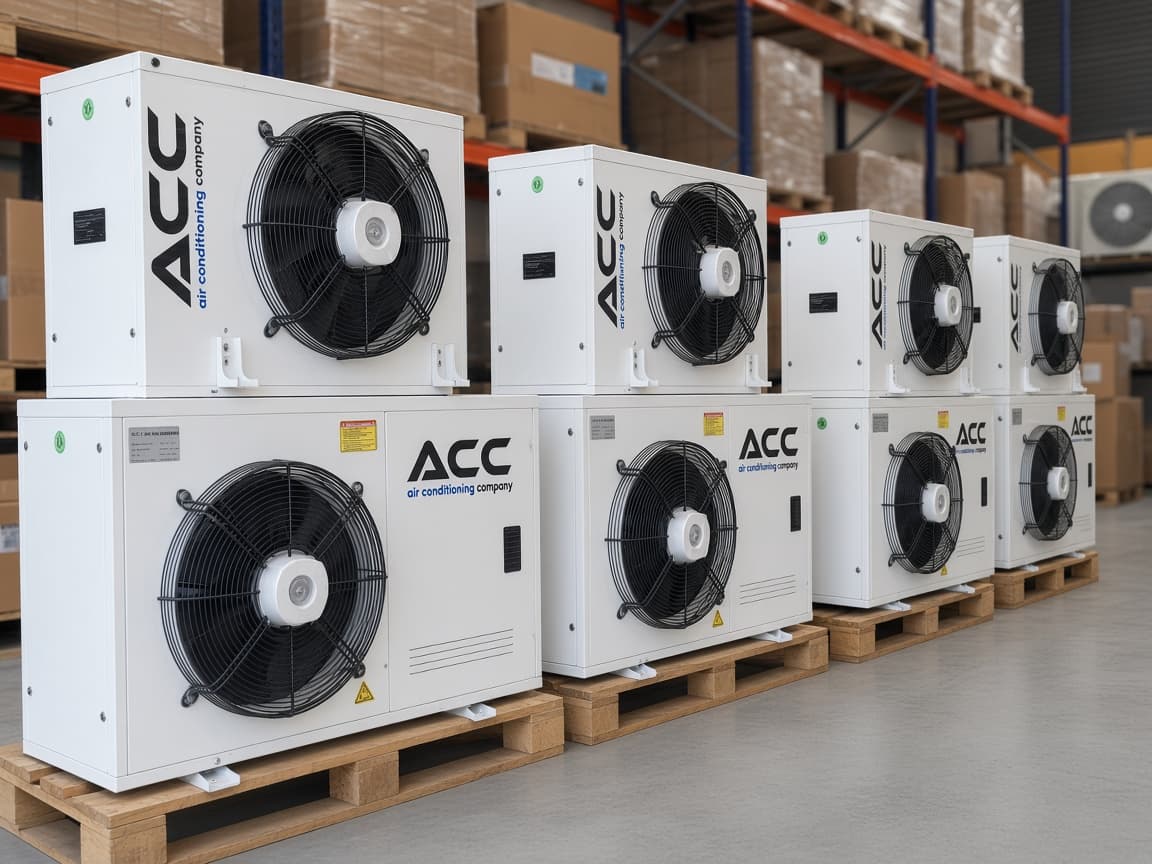
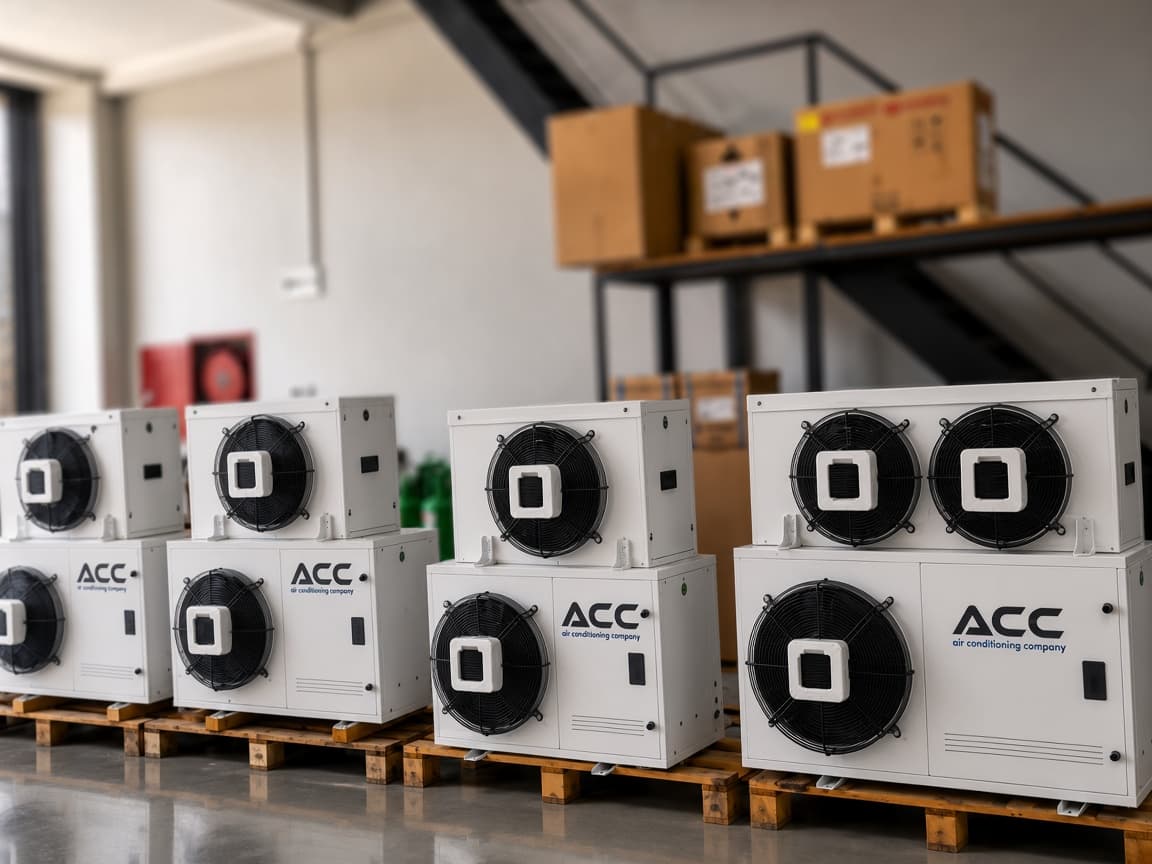
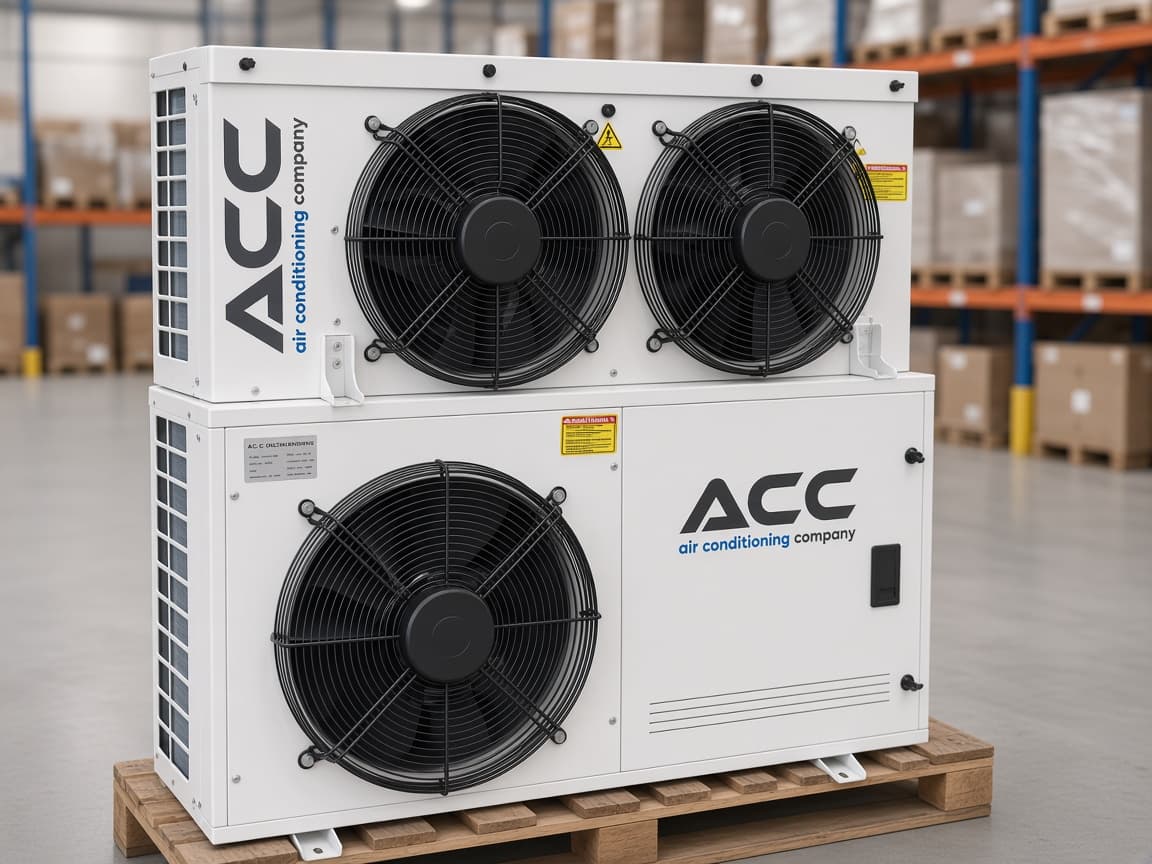
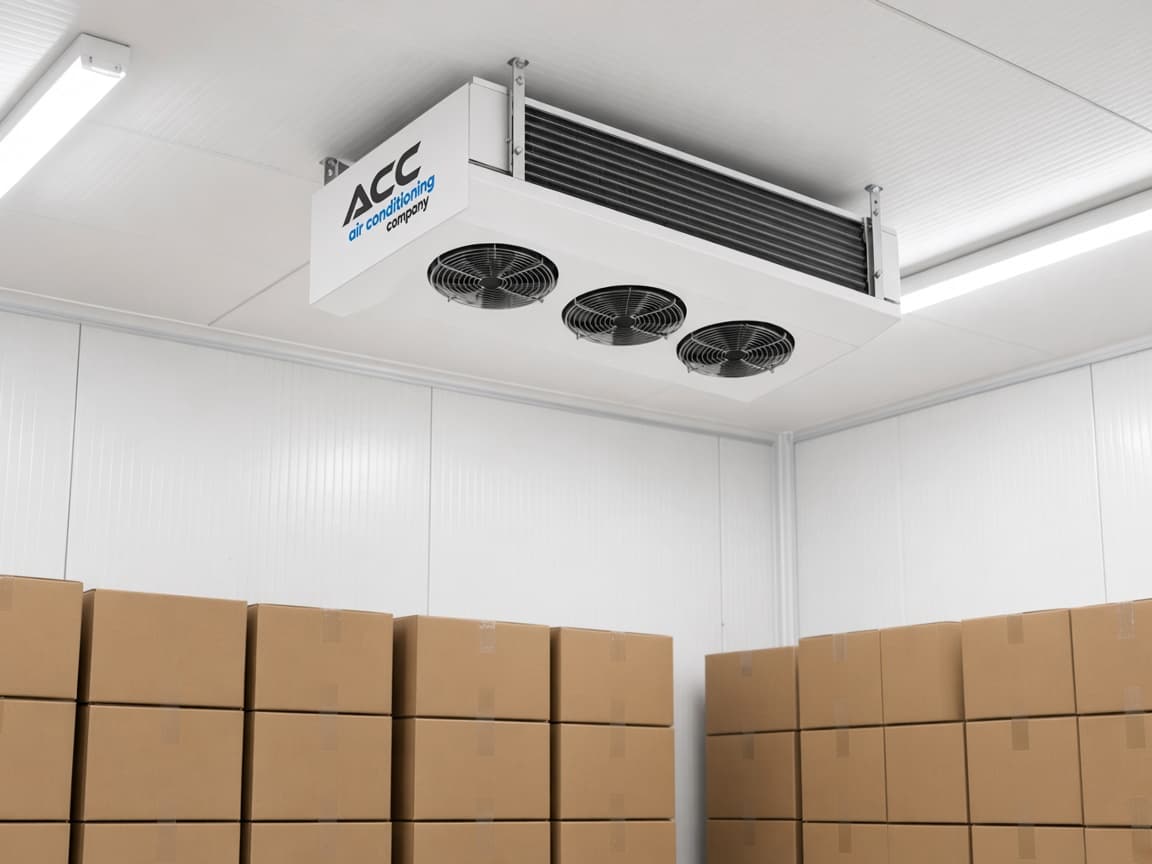
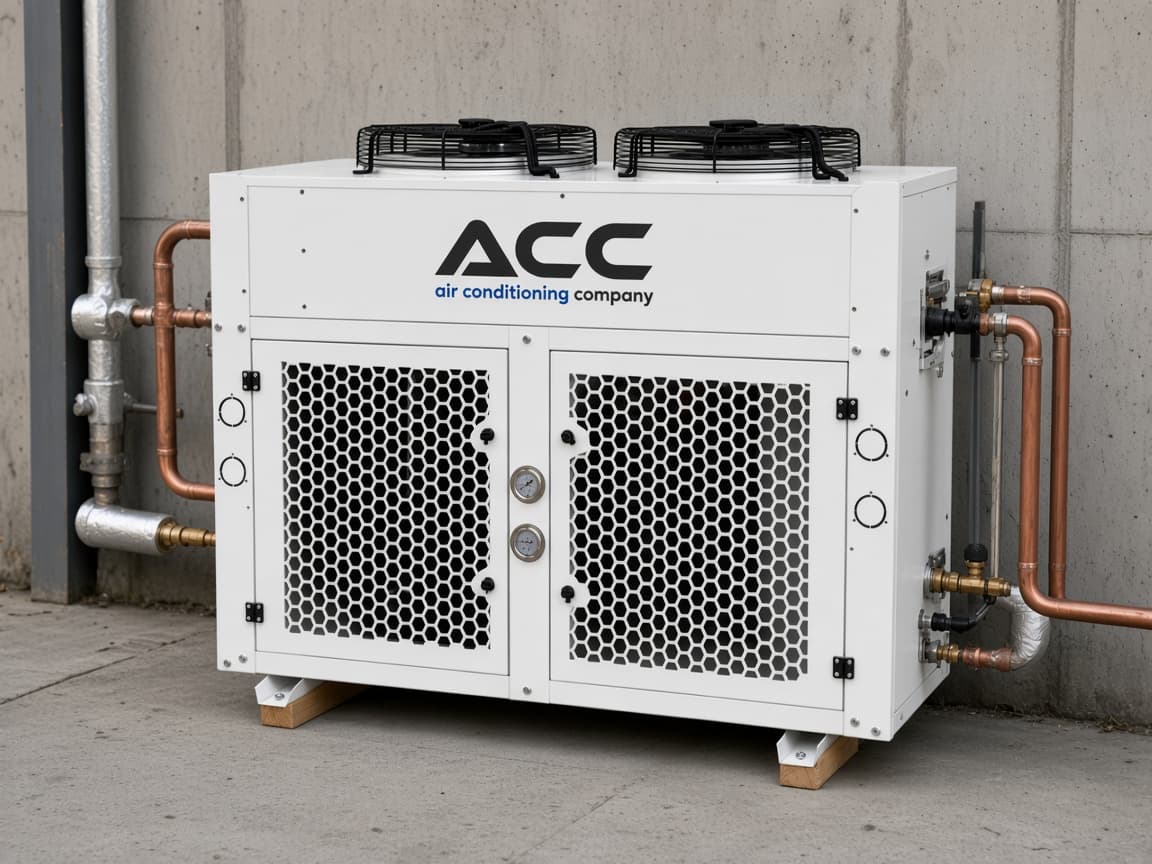
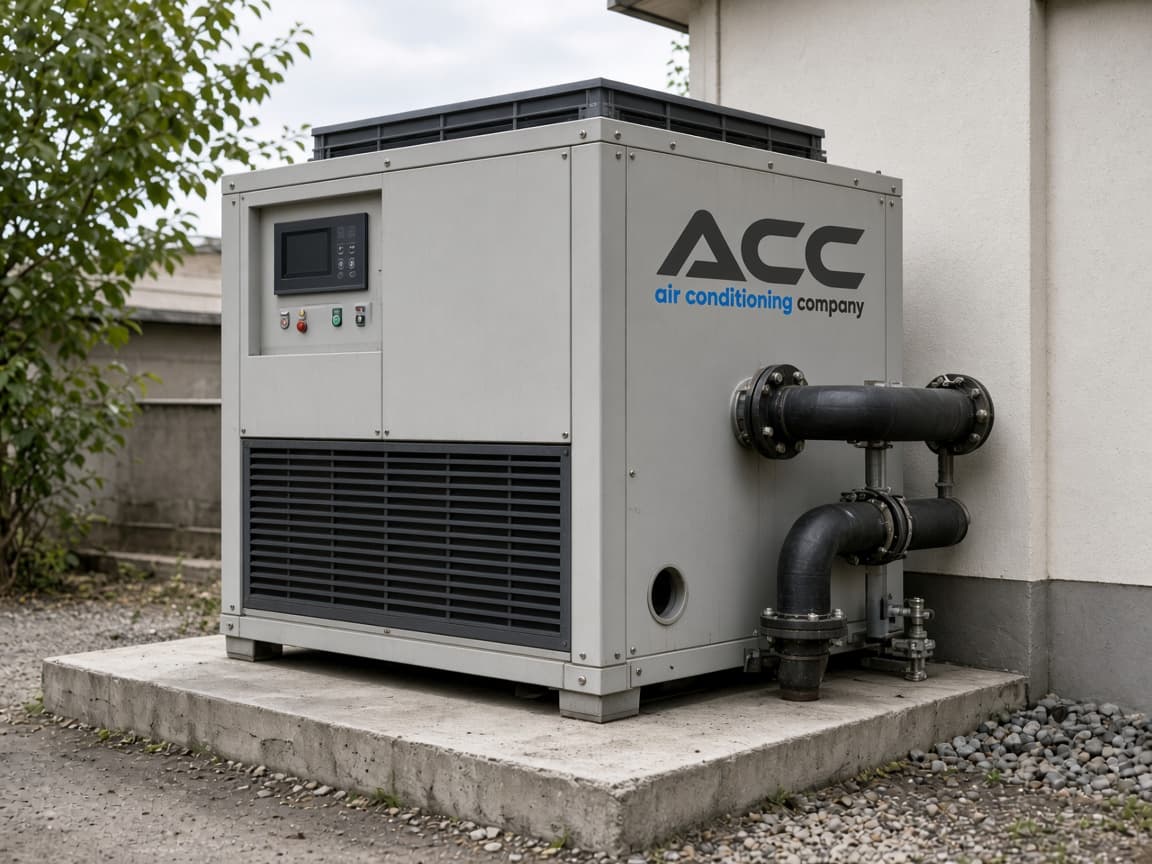
We offer evaporators, condensers and condensing units for cold rooms and commercial refrigeration, matched to the project.
What is a refrigerant?
Refrigerants circulate through air-conditioning, heat-pump, commercial refrigeration and cold-chain systems, moving heat from one place to another.
Our refrigerant gases
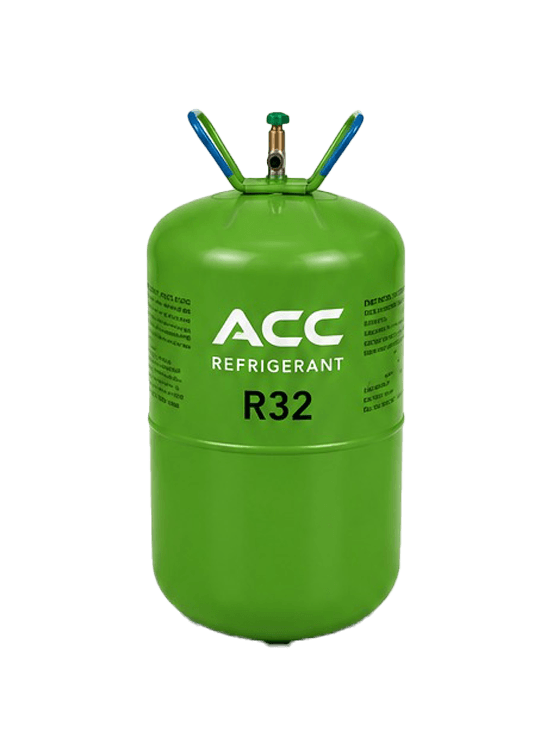
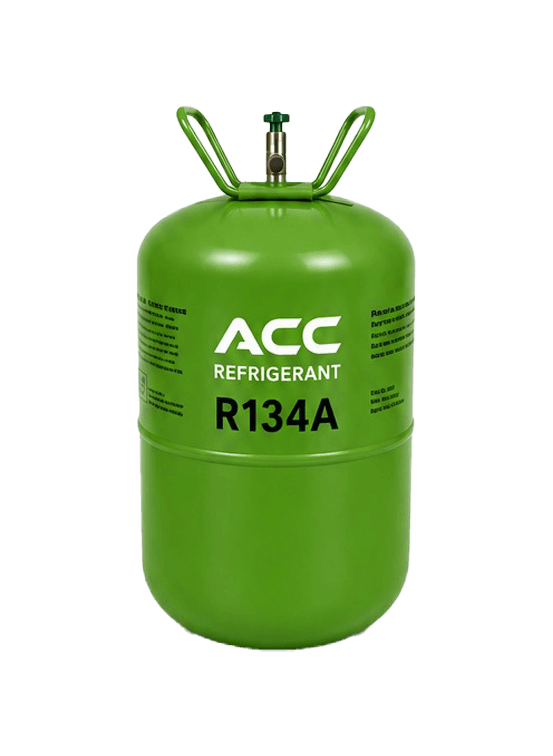
We supply R134a, R404A, R410A, R32 and R407C. The first thing to check is the refrigerant code specified by the equipment manufacturer. If you are unsure, you can share the unit nameplate with us.
Refrigerant gas range
Applications, safety classes and key technical data for R134a, R404A, R410A, R32 and R407C are on the related product pages.
ACC Refrigerant products
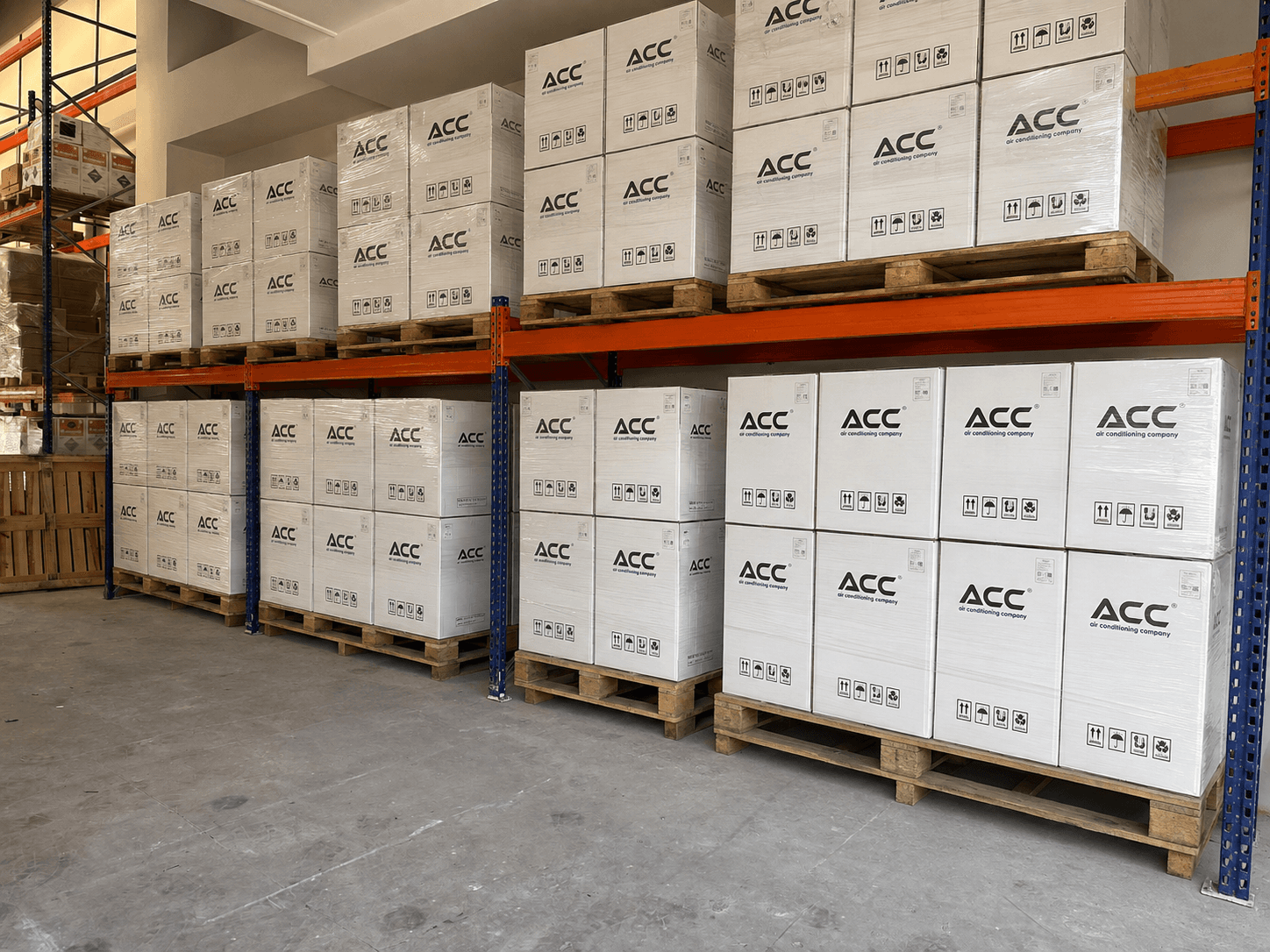
Stock and packaging options for ACC Refrigerant products can vary by gas and order quantity. When you tell us which gas you need and how much, we check the available options and give you a clear answer.
Wholesale and project supply
We work regularly with installers, wholesalers and project teams. Share the product, approximate quantity and delivery point; we review stock, packaging and shipping options together and prepare the quote accordingly.
SDS, TDS and CoA documents
If you need an SDS/MSDS, TDS or CoA, sharing the product code is enough. We check the current document set and send the files that match the product and batch.
ACC
ACC Refrigerant Gases
Review R134a, R404A, R410A, R32 and R407C with their applications and technical data.
Main commercial and industrial uses of refrigerant gases and cooling equipment.
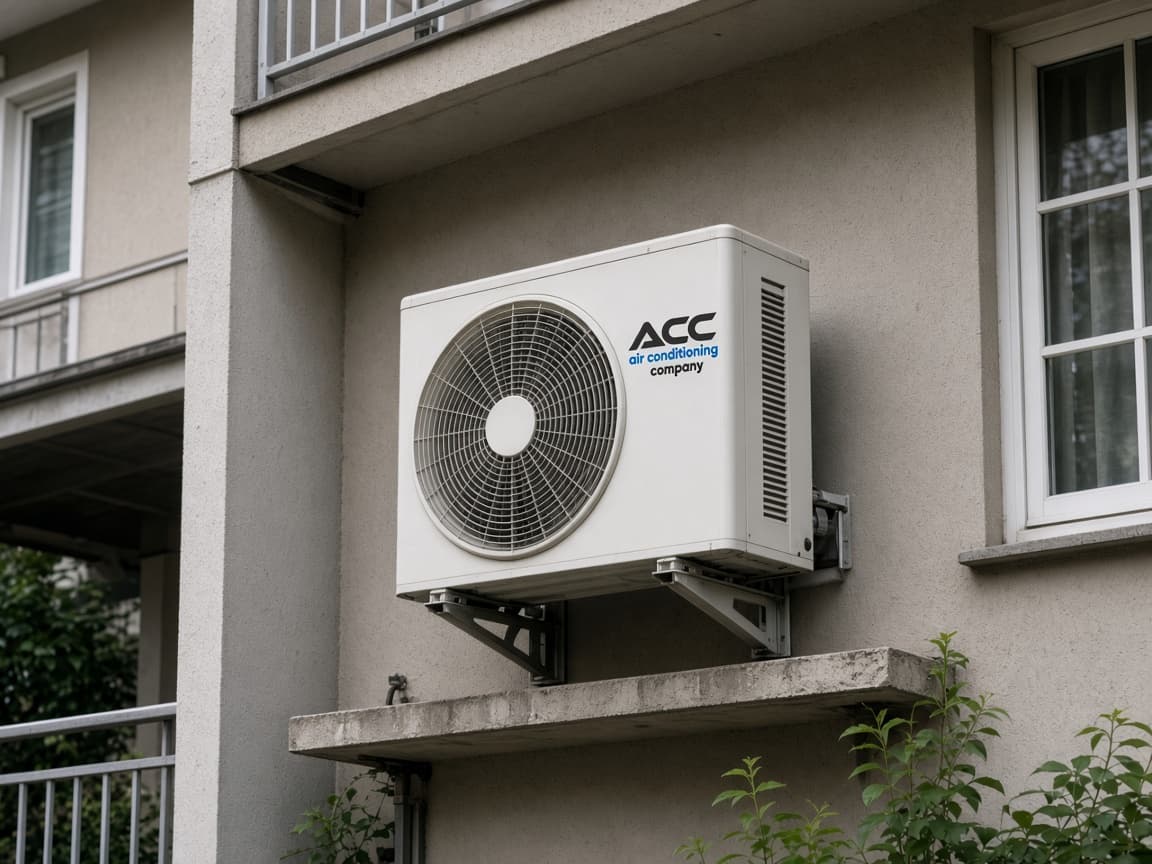
Residential and commercial AC
Split, multi-split and packaged air-conditioning systems use refrigerants such as R32 or R410A, depending on the manufacturer’s design.
Commercial refrigeration
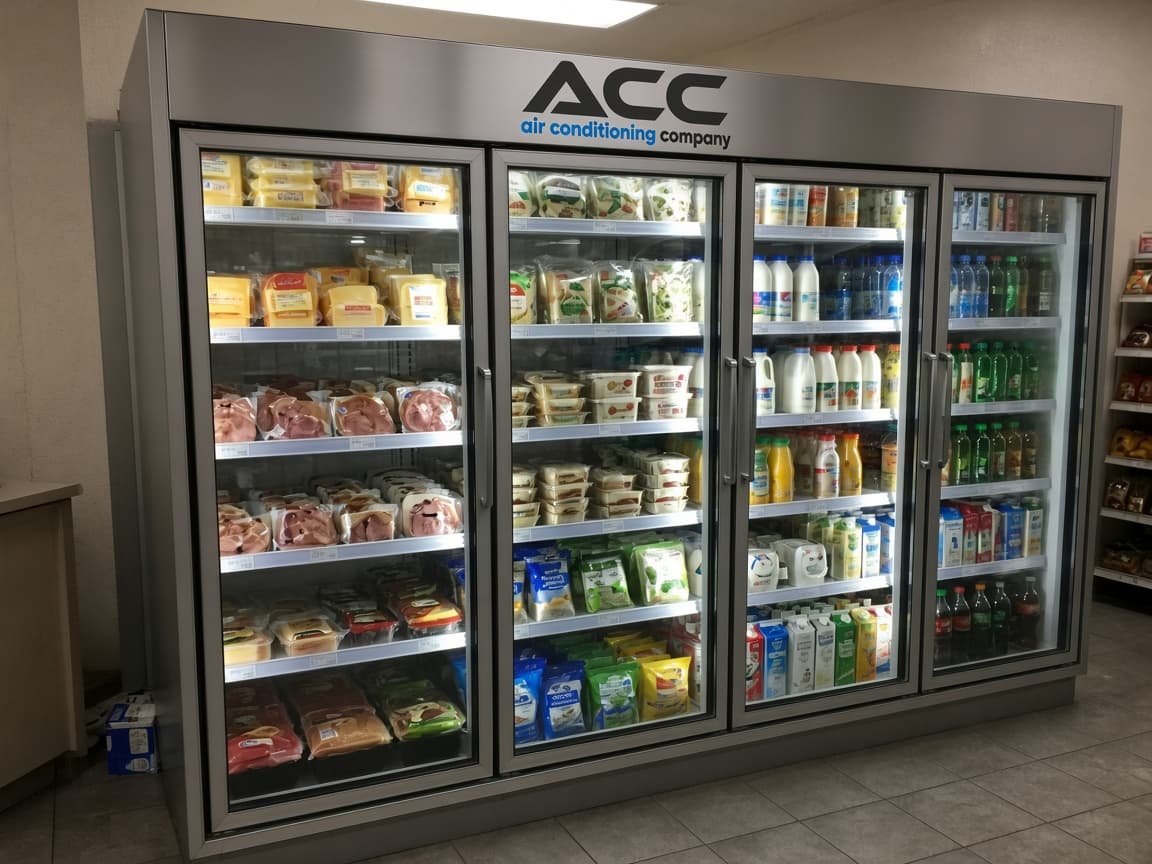
Display cabinets, merchandisers, cold rooms and other commercial systems use different refrigerants according to the equipment design.
Cold storage
Evaporator and condenser selection for cold stores depends on room temperature, product load and system capacity.
Industrial refrigeration
Gas and equipment selection for process and plant cooling depends on operating temperature, system pressure and plant design. Sharing those details helps us assess the right product group.
Chiller systems
Air- or water-cooled chillers must use only the refrigerant specified by the manufacturer.
Heat pumps
Heat pumps may use refrigerants such as R32 or R410A. The correct gas depends on the model and the manufacturer’s data; do not select a product without checking the nameplate.
Automotive air conditioning
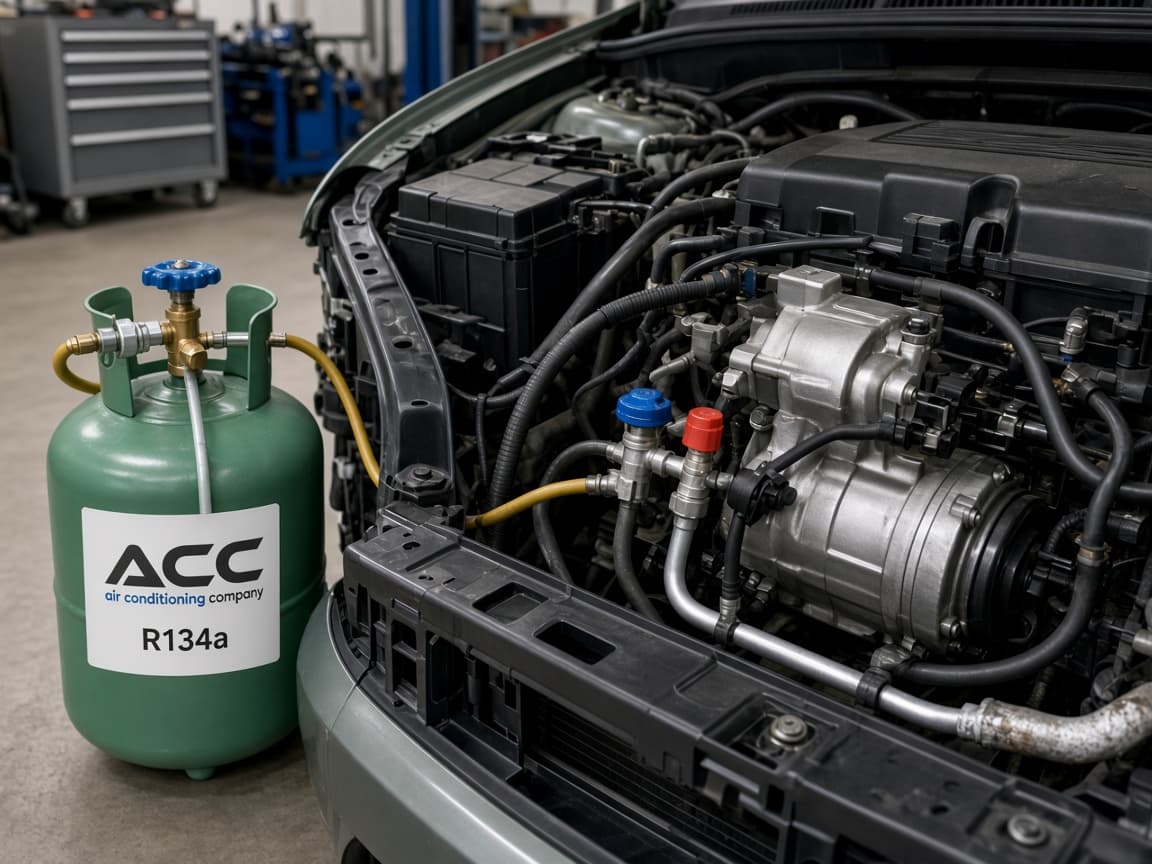
R134a is still used in many existing vehicle air-conditioning systems. The refrigerant in newer vehicles can vary by manufacturer and model year.
Transport and food logistics
Gas and equipment for cold-chain vehicles and transport refrigeration are selected from operating temperature and the manufacturer’s technical data.
The right refrigerant starts from the gas code specified by the equipment manufacturer and the system’s technical requirements. If you have the unit nameplate, we can check the product group together. Open gas catalogue
SDS · TDS · CoA
Technical documentation
You can request the SDS/MSDS, TDS and CoA files needed for product selection, safe use, tenders and shipments by product code.
Common questions on refrigerant gases, cylinders, technical documents, quotes and shipping.
The ACC Refrigerant range includes R134a, R404A, R410A, R32 and R407C. If you are not sure which gas is right for your system, we recommend checking the equipment nameplate or the refrigerant code specified by the manufacturer. Share the information you have with us and we can help you find the right product group.
The first thing to check when selecting the right gas is the refrigerant code specified by the equipment manufacturer. Operating pressure, lubricant, safety class and compatibility of the system components must line up. If you have a nameplate or technical data, share them with us; as ACC İklimlendirme we can help you find the right product group. If an existing system is to be switched to a different refrigerant, the final technical decision must still follow the manufacturer’s data or an authorised technical service.
Refrigerant and equipment prices are not set by product name alone; quantity, packaging, current stock and delivery location can all affect the price. That is why we prepare an up-to-date quote for your need instead of publishing a fixed list price. Share the product you need and the quantity, and we can give you a firm price.
An SDS/MSDS is the Safety Data Sheet: it covers the product’s hazards, safe use, storage, first aid, fire-fighting, exposure and transport information.
It is enough to send us the product code and an approximate quantity. We check current stock and, where relevant, share other cylinder or packaging options as well.
Laying pressure cylinders on their side at random is not correct. Transport and storage methods can vary by cylinder type and product, but securing the cylinder and protecting the valve from impact are basic safety points. For the exact practice, follow the product SDS and the applicable transport rules.
Yes, we also review enquiries from abroad. Product, quantity and destination country can change transport and document requirements, so sharing these details from the start matters. If you also need SDS, CoA or other commercial documents, tell us and we will prepare the quote accordingly.
You can reach us through the contact form, email or WhatsApp. Telling us which product you need, an approximate quantity and the delivery city is a solid start for a quote. For equipment requests, sharing capacity, application or room dimensions helps us offer a more accurate option.
Share the product you need, the approximate quantity and the delivery point. Let’s confirm available stock, suitable packaging and shipping options together.